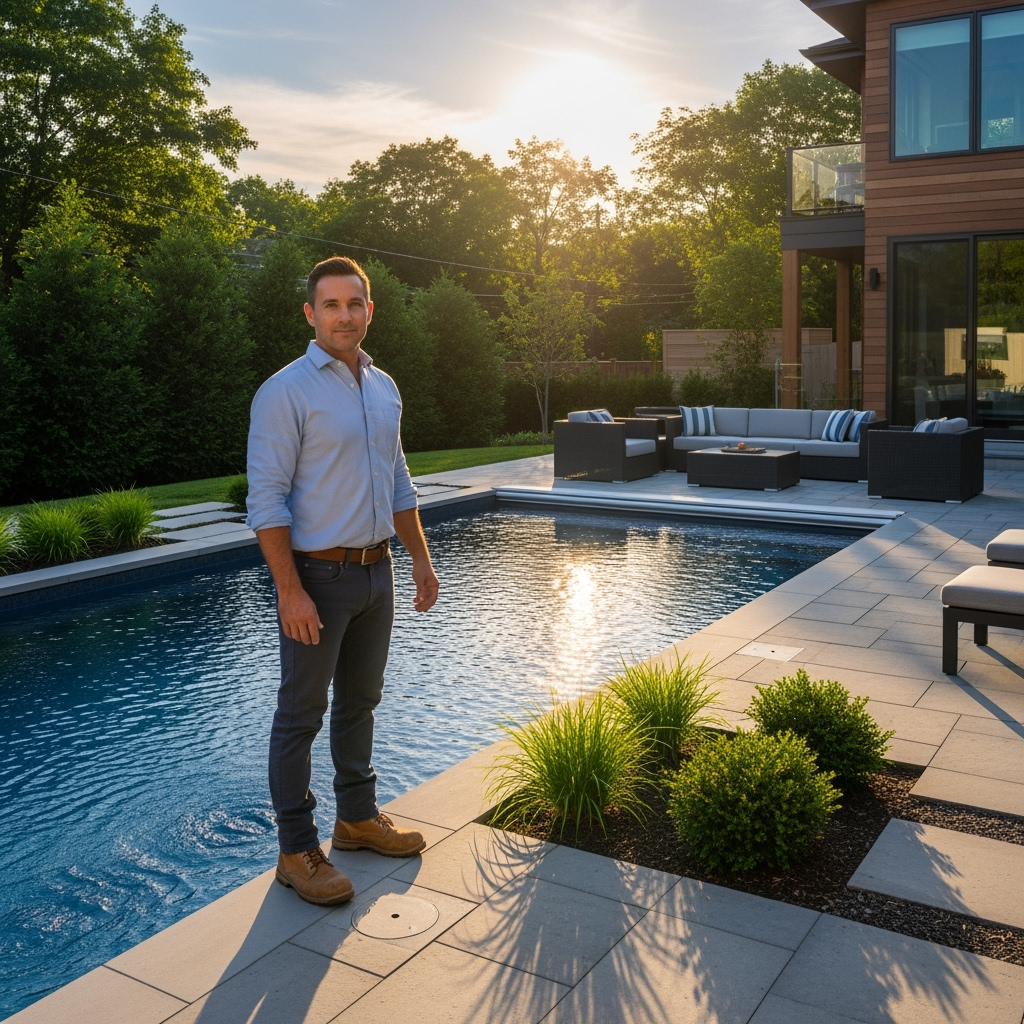
I’ve helped homeowners rethink outdoor living for more than a decade, and when it comes to NJ pool renovations, the right plan makes all the difference. Before you sign a contract or pick a tile, I always point clients to basic safety and water guidance from trusted authorities like the CDC, then we get into style, systems, and budget that suit this area.
Why renovate your pool now
Pools age faster than patios. The plaster, equipment, and decks that were state-of-the-art ten years ago can feel outdated or inefficient today. Renovating is not just about looks—it’s about saving money and avoiding unexpected repairs. In Northern New Jersey, where seasons swing from hot summers to cold winters, proper renovation improves winterization, extends the usable season with better heaters and covers, and reduces long-term maintenance headaches.
Top trends in pool remodeling for this area
I follow trends so I can give you options that add value and joy. Right now I see strong interest in:
- Low-maintenance surfaces and pebble finishes that resist staining and last longer than traditional plaster.
- Saltwater and mineral systems for softer water and easier chemistry control.
- LED color-changing lighting and smart controls that integrate pools with outdoor living systems.
- Energy-efficient heat pumps and variable-speed pumps that cut operating costs while keeping water warm.
These trends are driven by homeowners who want beauty plus measurable performance: lower energy bills, fewer chemical shocks, and fewer mid-season surprises.
What a modern NJ pool renovation can include
Renovations vary from simple resurfacing to full-scale remodels. Here’s what I typically recommend considering, in order of impact:
- Equipment upgrades: variable-speed pumps, energy-efficient heaters, and modern filters for big operating savings.
- Surface work: pebble tec, quartz, or advanced plaster to refresh water clarity and finish life expectancy.
- Decking and coping: update slip-resistant materials and expand usable patio space for entertaining.
- Automation and lighting: control pumps, heaters, and lighting from an app for convenience and safety.
Local considerations for Northern New Jersey homeowners
Renovating in this region means planning for freeze/thaw cycles, local code and permit processes, and the way yards drain in heavy storms. If your home is in Morris County, near towns like Morristown or Parsippany, you’ll want to confirm setback and stormwater rules with your local municipality early in the planning stage so design drawings don’t need costly rework.
Seasonal planning and warranties
Start planning a renovation in late fall or winter to get on contractor schedules for spring builds. Many manufacturers offer warranties that are season-dependent; professional installation and proper winterization often preserve those warranties, so I always prioritize installers who provide clear, written warranty terms.
How I approach a renovation project—practical steps
When I work with a homeowner, I follow a clear sequence that keeps surprises to a minimum. Below I break it into simple, actionable steps so you can picture the timeline and where your decisions matter most.
- Site assessment: inspect structure, plaster condition, equipment age, deck drainage, and utility access.
- Priority plan: identify must-fix items (leaks, failing equipment) and high-impact upgrades (surface, heating, automation).
- Design and estimate: produce drawings, material samples, and a transparent cost breakdown so you know what you’re buying.
- Schedule and build: coordinate permits, order materials early, and phase work to limit backyard downtime.
Common problems I help homeowners solve
Most renovation projects start because of a pain point. The common ones I see in this area are:
Equipment inefficiency: Older pumps and heaters consume a lot of energy and fail unpredictably. Replacing them with variable-speed pumps and heat pumps cuts energy use and lengthens system life.
Surface deterioration: Cracked plaster, rough pebble surfaces, or persistent staining make pools look tired and can require acid washing or full resurfacing.
Drainage and deck damage: Poor deck slopes, freezing damage, or tree-root intrusion compromise pool coping and surrounding hardscape. Repairing the subgrade and improving drainage protects the new finish and landscape.
Budgeting, financing, and realistic timelines
Budgeting depends on scope. A surface-only refresh is significantly less than a full remodel with new equipment, expanded decking, and automation. I always give three tiers: essential repairs, smart upgrades that pay back over time, and luxury additions that deliver emotional value.
Typical timelines:
– Minor renovations: 2–4 weeks. This includes resurfacing and equipment swaps if there are no structural surprises. Major renovations that change the footprint, add new decking, or rework plumbing generally run 6–10 weeks, depending on weather and permits.
Permits, inspections, and working with local officials
You’ll likely need permits for electrical upgrades, mechanical replacements, and from-time-to-time structural changes. Getting approvals early is a time saver. I recommend meeting with your local building department or asking your contractor to handle permit filings. It keeps the build moving and avoids fines or forced rework.
Smart upgrades that reduce maintenance and operating costs
Here are a few upgrades that pay for themselves over time and make daily life easier:
- Variable-speed pumps: they run quieter and use a fraction of the power of older single-speed models.
- Salt or mineral systems: reduce the need for heavy chemical dosing and create softer water that’s gentler on skin and equipment.
- Automated controls: schedule filtration, heating, and lighting to run at off-peak energy times and reduce waste.
- LED and solar lighting: extend the evening use of the pool while keeping electrical costs down.
Design choices that increase curb appeal and resale value
A thoughtful renovation blends form and function. I often suggest focusing on finishes that read as timeless rather than trendy, because most buyers prefer a classic look. Neutral pebble surfaces, natural stone coping, and integrated lighting create an inviting nightscape without alienating future buyers.
Pool-adjacent landscaping also matters. Swapping high-maintenance plantings for low-shed species reduces debris in the water and makes upkeep easier. Adding a modest, well-placed pergola or outdoor kitchen can transform an ordinary pool into a complete outdoor room, which appeals to today’s buyers.
Maintenance tips to protect your investment
Once the renovation is complete, regular maintenance protects the finish and systems. My regular checklist for clients includes:
- Monthly chemistry checks and seasonal shock treatments to keep water balanced.
- Routine filter cleanings and an annual equipment inspection before winter.
- Proper winterization to prevent freeze damage, especially in years with harsh cold snaps.
- Keeping surrounding trees trimmed to reduce debris and staining.
Trends to watch in pool renovations
Two trends I expect to shape pool projects in the near term are sustainability and integration. More homeowners ask for drought-conscious features like efficient covers and lower-evaporation designs. The second trend is the fusion of pools with outdoor technology: whole-yard automation, smart heaters that learn your schedule, and mood lighting that links to music and entertainment systems.
Choosing the right team for your project
Pick a team that can show local examples, explain their process, and provide references. I value firms that explain the why behind each recommendation and that provide realistic timelines. Ask for:
- Project portfolios from nearby jobs, not only showroom photos.
- Clear warranty and maintenance plans in writing.
- A breakdown of energy and water savings you can expect from specific upgrades.
Local experience matters because a contractor who knows how materials age in our climate will design accordingly, avoiding common pitfalls like improper coping slopes or inadequate freeze protection.
Final thoughts
Renovating your pool in New Jersey is an opportunity to increase enjoyment, cut running costs, and future-proof your backyard for years to come. Start with a clear needs assessment, prioritize safety and efficiency, and choose finishes that will stand up to our seasonal weather. With the right plan and team, a renovation becomes less about disruption and more about a fresh way to live outdoors.
If you’re ready to get a realistic plan and estimate for a pool renovation in Northern New Jersey, contact Creative Design and Maintenance in NJ to discuss options, timelines, and what will work best for your yard and budget.